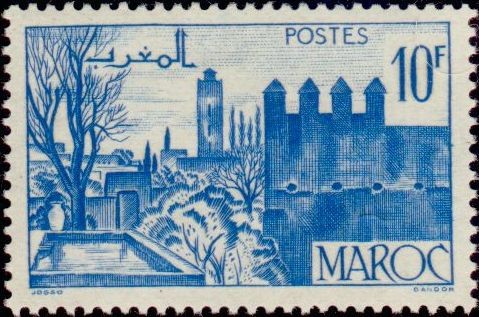
Gardens and fortified ramparts of Fès
he city of Fès experienced a significant period of administrative and structural transformation during the mid-twentieth century under the French Protectorate. Long regarded as the spiritual, intellectual, and cultural heart of Morocco, the ancient imperial capital saw its historic core, Fès el-Bali, carefully preserved while modern infrastructure expanded around it. This era was characterized by a deliberate effort to document and promote Morocco's monumental Andalusian-Moroccan architecture, historic defense networks, and lush urban sanctuaries to the wider world, highlighting the city's enduring legacy as a crossroads of Islamic scholarship and architectural mastery.
Central to this cultural identity were the historic gardens and fortified ramparts of Fès, such as those surrounding the iconic Bou Jeloud region. These sprawling green spaces, fed by the city's complex ancient water networks, served as vital urban oases juxtaposed against imposing crenellated mud-brick walls and towering minarets that had protected the city for centuries. During the late 1940s, these scenic landscapes became key focal points for regional tourism and cultural campaigns, symbolizing the harmonious intersection of North African natural beauty, medieval military engineering, and deep spiritual heritage.
Central to this cultural identity were the historic gardens and fortified ramparts of Fès, such as those surrounding the iconic Bou Jeloud region. These sprawling green spaces, fed by the city's complex ancient water networks, served as vital urban oases juxtaposed against imposing crenellated mud-brick walls and towering minarets that had protected the city for centuries. During the late 1940s, these scenic landscapes became key focal points for regional tourism and cultural campaigns, symbolizing the harmonious intersection of North African natural beauty, medieval military engineering, and deep spiritual heritage.