Agriculture
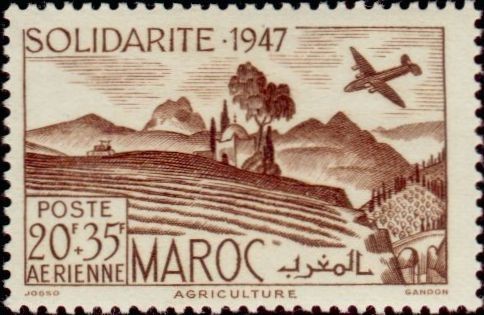
The aftermath of World War II in Morocco was profoundly shaped by severe agricultural crises, including devastating droughts and systemic crop failures that struck North Africa in the mid-1940s. These environmental hardships triggered acute food shortages, rural displacement, and widespread economic strain across the territory. In response, the administrative authorities initiated aggressive rural modernization and recovery programs aimed at transforming the agrarian sector. These state-directed initiatives focused on introducing mechanical farming equipment, expanding irrigation networks, and optimizing fertile lands to stabilize domestic food production, combat regional famine, and rebuild the foundational pillars of the Moroccan economy.
Concurrently, the year 1947 marked a peak in state-organized social welfare mobilization through comprehensive nationwide solidarity campaigns. The funds raised during these winter initiatives were directly funneled into rural relief projects, providing essential aid to impoverished farming communities and funding public works in the agricultural interior. This period also witnessed the increasing integration of modern transport networks with rural development, as post-war aviation and upgraded logistical corridors were leveraged to accelerate the distribution of vital resources, bridging the gap between isolated agricultural zones and major urban centers to foster nationwide economic resilience.
Concurrently, the year 1947 marked a peak in state-organized social welfare mobilization through comprehensive nationwide solidarity campaigns. The funds raised during these winter initiatives were directly funneled into rural relief projects, providing essential aid to impoverished farming communities and funding public works in the agricultural interior. This period also witnessed the increasing integration of modern transport networks with rural development, as post-war aviation and upgraded logistical corridors were leveraged to accelerate the distribution of vital resources, bridging the gap between isolated agricultural zones and major urban centers to foster nationwide economic resilience.